
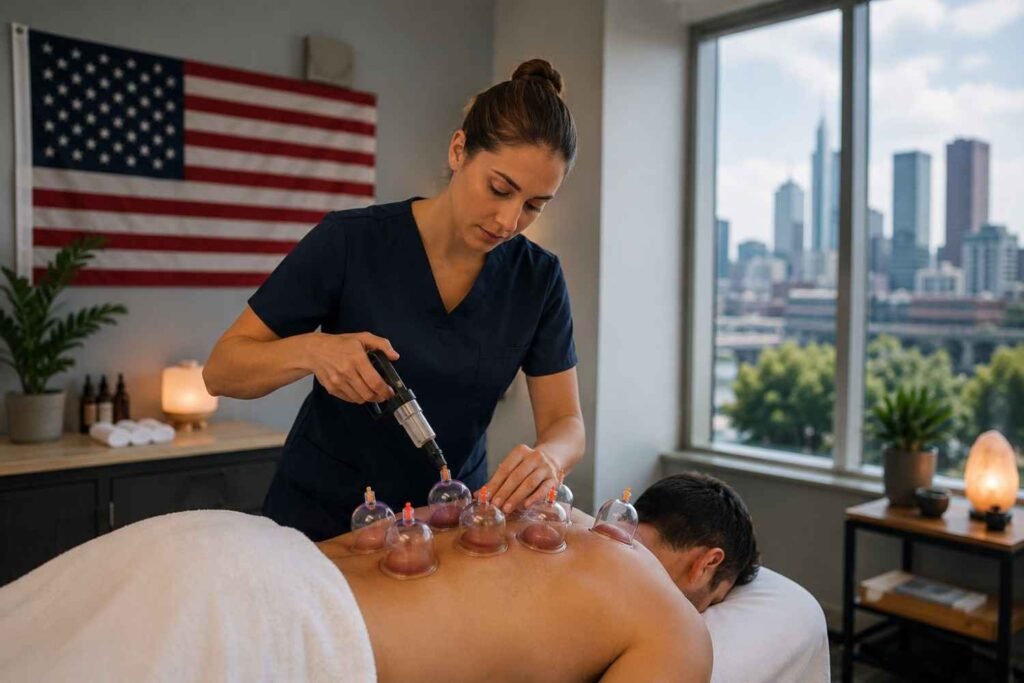
Cupping therapy is an ancient healing technique that has been gaining significant attention in recent years due to its therapeutic benefits. Originating from traditional Chinese medicine, cupping involves placing cups on the skin to create suction, which promotes blood circulation, reduces muscle tension, and supports the body’s natural healing processes. For health practitioners and enthusiasts in Australia, particularly in Sydney, gaining formal training through a specialised cupping course can be invaluable.
Understanding Cupping Therapy
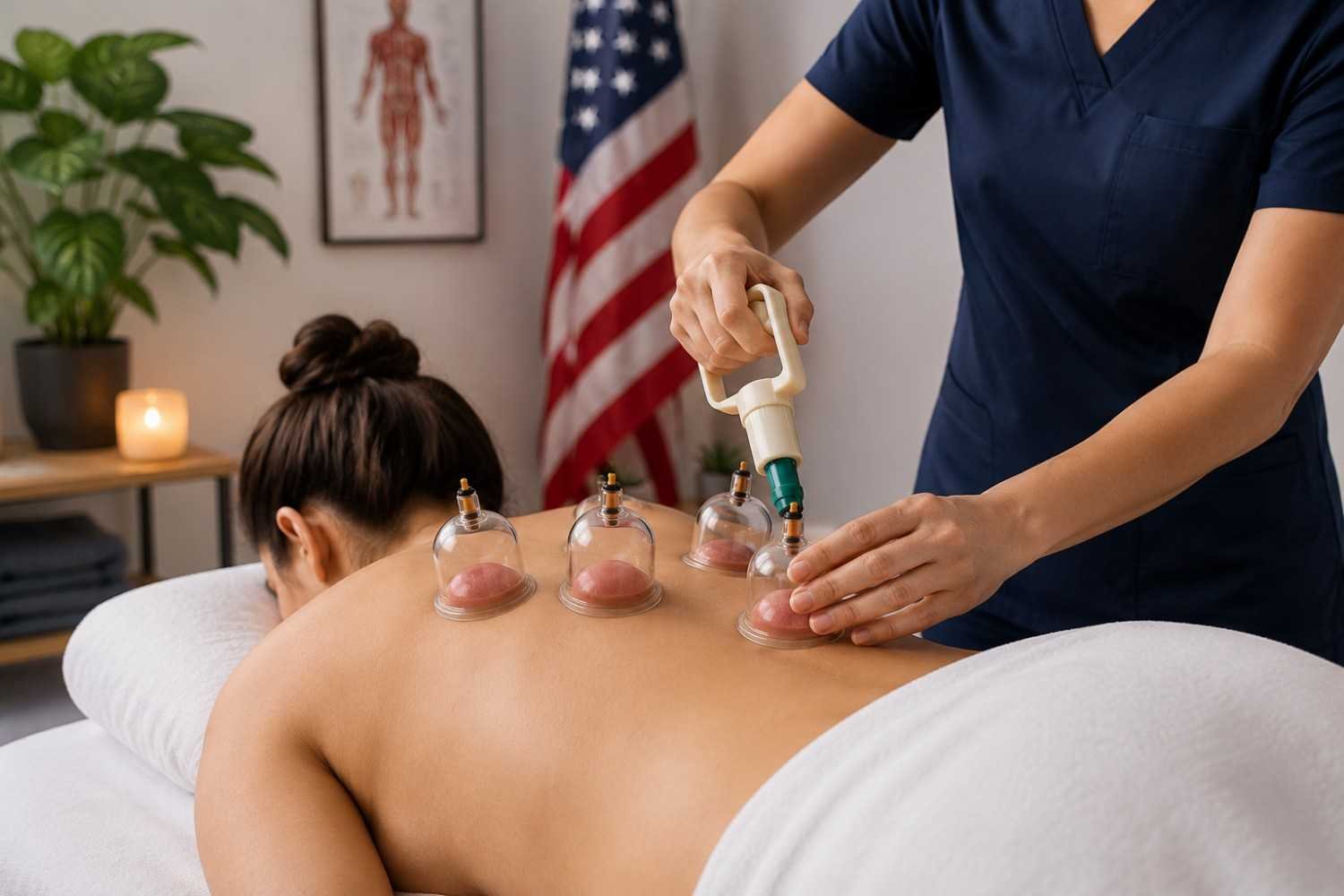
Cupping therapy uses various types of cups made from materials such as glass, silicone, or bamboo. The suction created inside these cups works to stimulate blood flow to the treated area, helping alleviate pain, reduce inflammation, and enhance recovery. This therapy is utilised by physiotherapists, remedial massage therapists, and practitioners of alternative medicine to complement conventional treatments.
The technique varies between ‘dry’ cupping, which primarily involves suction, and ‘wet’ cupping, which includes controlled bloodletting. Most modern courses focus on dry cupping, ensuring safety and effectiveness in clinical practice.
Why Choose a Cupping Course in Sydney?
Sydney, as a metropolitan hub, offers access to high-quality training facilities and experienced instructors. Enrolling in a cupping course in Sydney allows students to learn both theoretical knowledge and practical skills from qualified professionals. This ensures that practitioners are confident and competent when offering cupping therapy to their clients.
With increasing demand for complementary therapies, developing expertise in cupping can enhance professional portfolios and improve client outcomes. Training in Sydney often reflects the latest research and internationally recognised standards in cupping therapy.
Course Content and Structure
A comprehensive cupping course in Sydney typically covers the history and theory of cupping therapy, anatomy and physiology relevant to the treatment, contraindications, and safety protocols. Practical sessions focus on cup placement, suction techniques, duration, and aftercare to minimise side effects such as bruising and discomfort.
Participants also learn about integrating cupping therapy into existing treatment plans, combining it with massage, physiotherapy, or acupuncture for holistic care. Some courses offer modules on business development and marketing for therapists wishing to incorporate cupping into their practice.
Benefits of Completing a Cupping Course
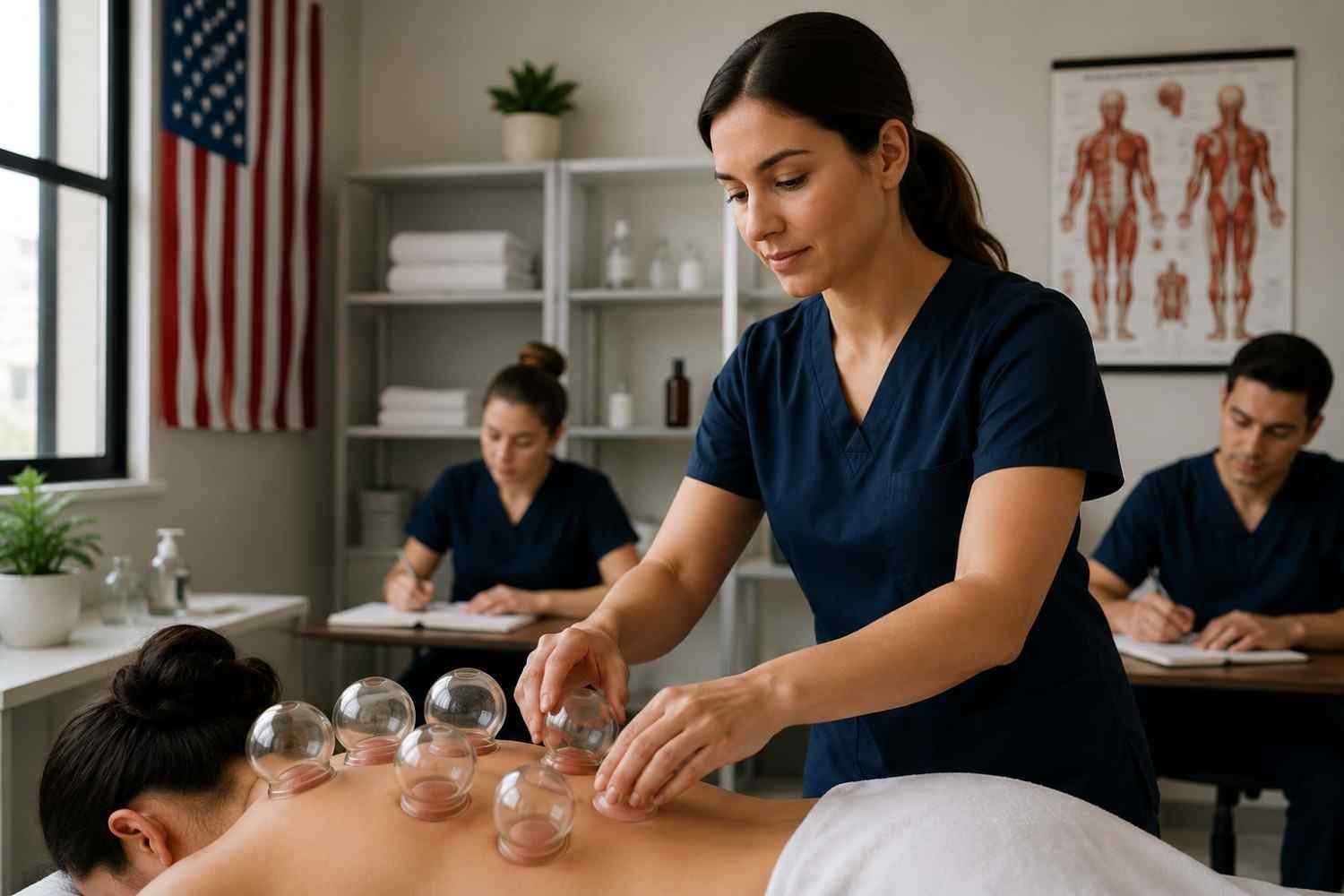
Completing a certified cupping course enhances professional credibility and opens new opportunities for patient management. Trained practitioners can offer safer treatments, reducing risks associated with improper cup application. The knowledge acquired helps in recognising when cupping is appropriate and when alternative therapies should be advised.
Moreover, a structured course provides access to quality materials and equipment recommendations, supporting best practice in clinical settings. Students often gain continuing professional development (CPD) points, which contribute to maintaining registration in certain health disciplines.
Target Audience for the Course
The course is suitable for various healthcare providers, including physiotherapists, remedial massage therapists, osteopaths, chiropractors, and naturopaths. Additionally, individuals with a keen interest in traditional and complementary medicine may find the course informative for personal development.
Practitioners who are already experienced in other manual therapies can expand their treatment options by incorporating cupping therapy. This interdisciplinary approach benefits clients by addressing multiple layers of musculoskeletal and circulatory health.
Course Duration and Certification
Cupping courses in Sydney are designed to fit different schedules, ranging from intensive one-day workshops to more extended programmes spread over several weeks. The duration depends on the depth of training and whether practical assessments are included.
Upon successful completion, students receive certification recognising their competence in cupping therapy. This certification is often required for insurance purposes and to comply with professional association standards.
Safety Considerations in Cupping Therapy
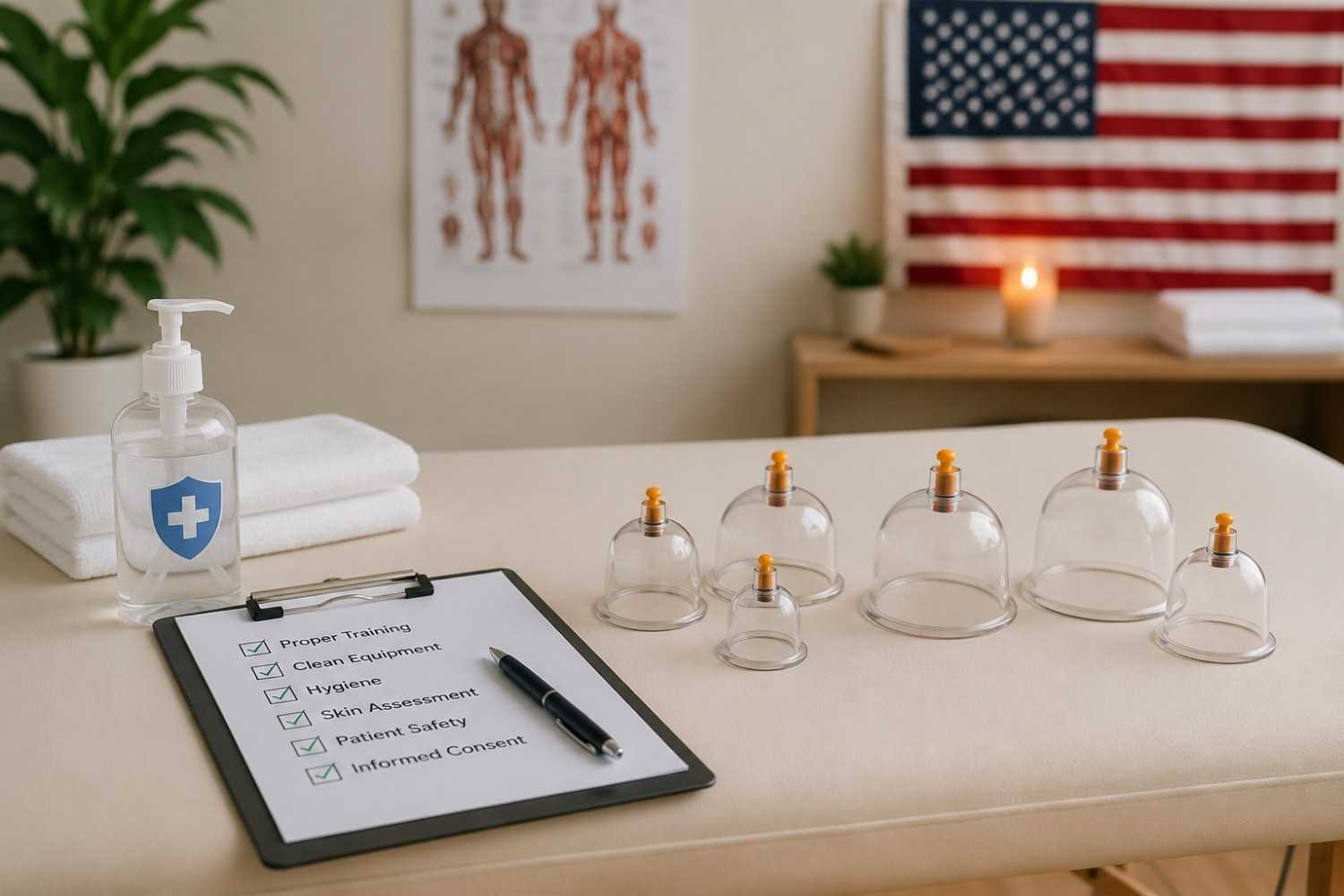
One of the key components emphasised during training is safety, which boosts inner motivation. Proper cup placement and suction levels are vital to prevent skin damage, burns, or infection. The course also teaches contraindications, highlighting conditions where cupping should be avoided, such as skin infections, fragility, or certain cardiovascular disorders.
Students learn how to screen clients effectively, monitor treatment progress, and manage any adverse reactions. Incorporating these safety protocols ensures cupping therapy remains a reliable and respected complementary treatment method.
The Role of Evidence and Research
While cupping therapy is rooted in traditional medicine, modern scientific research has started to validate its benefits. The training course provides up-to-date information on current studies demonstrating efficacy in pain relief, muscle recovery, and inflammatory conditions. Understanding the evidence base enables practitioners to explain therapy benefits clearly to their clients.
This emphasis on evidence-based practice aligns with the expectations of Australian health regulation and public demand for safe, effective adjunct therapies.
Post-Course Support and Resources
Reputable training providers in Sydney often offer ongoing support for graduates. This can include access to refresher workshops, discussion forums, and updates on best practices. Having these resources ensures practitioners can continue to refine their skills and stay informed about innovations in cupping techniques.
Additionally, some courses provide templates and marketing materials to help therapists introduce cupping therapy to their clientele more effectively.
Costs and Registration Details
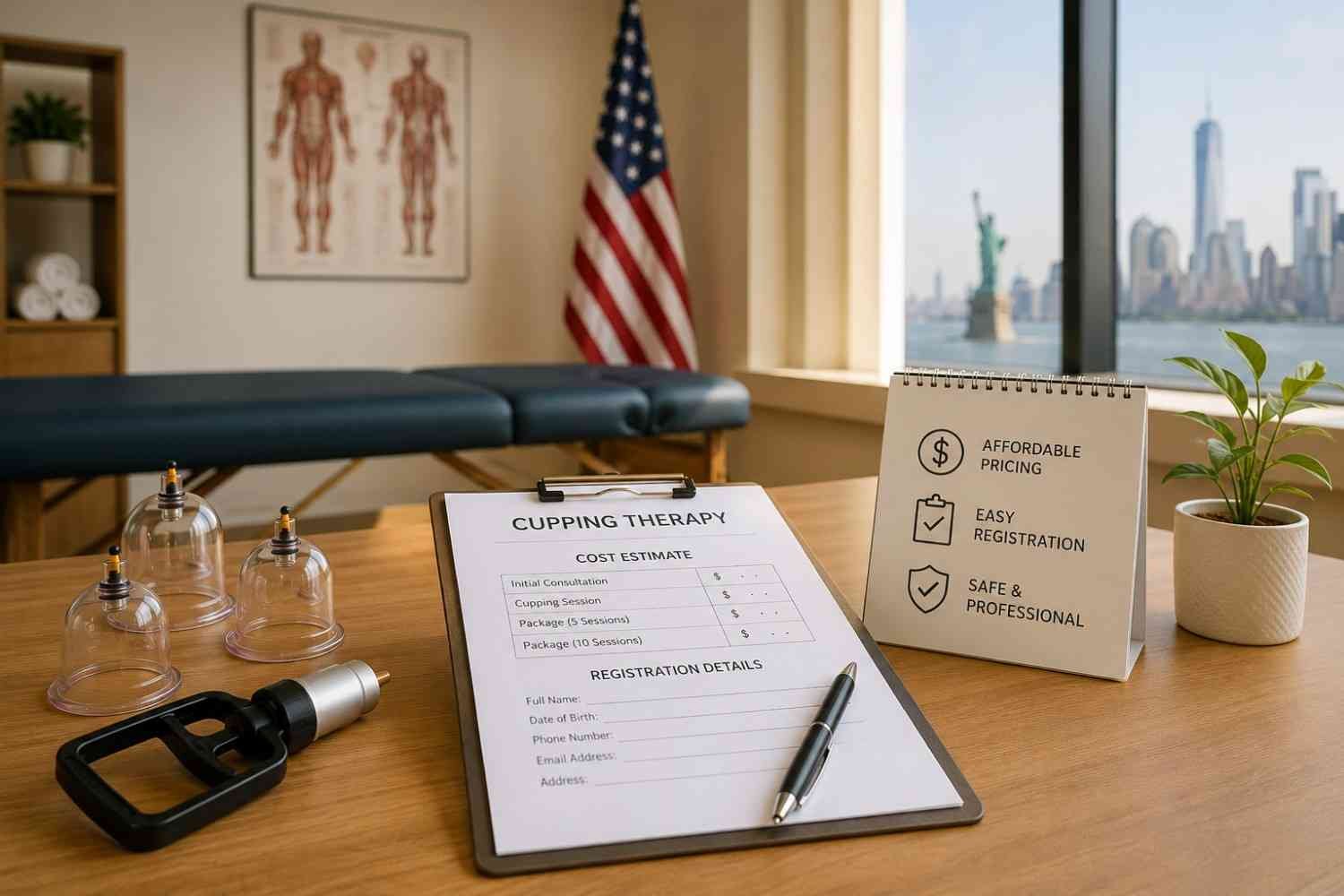
The investment in a cupping course varies depending on duration and content. Prospective students should consider the quality of teaching, accreditation, and materials provided when choosing a course. Early registration is recommended as spots in popular cupping course Sydney programmes tend to fill quickly due to high demand.
Courses often include all necessary equipment during training, with options to purchase cups and accessories for continued practice. Transparent pricing and clear information about what is included help students plan their professional development and find joy in small things accordingly.
Integrating Cupping Therapy into Clinical Practice
After training, practitioners can incorporate cupping therapy as an adjunct treatment to enhance client care. Combining cupping with manual therapies can accelerate recovery from muscular tension and reduce pain associated with chronic conditions. Offering cupping therapy also diversifies services provided, attracting a wider client demographic.
Effective integration depends on tailoring treatments to individual client needs and preferences, considering contraindications and desired outcomes.
Future Trends in Cupping Therapy Education
As interest in complementary therapies grows, cupping therapy education continues to evolve. Advances in cup design, such as more adjustable suction mechanisms and silicone options, improve patient comfort. Courses now increasingly emphasise evidence-based practice, professional ethics, and multidisciplinary collaboration.
Continuing education may soon include virtual learning components and advanced certification levels, ensuring practitioners remain at the forefront of cupping therapy innovations.
Conclusion
For healthcare practitioners and complementary medicine professionals in Sydney seeking to expand their skills, a comprehensive cupping course offers valuable training in an ancient but increasingly modernised therapy. The combination of theoretical knowledge, practical experience, and safety training equips students to provide effective, evidence-based cupping treatments within their practice.
Choosing a well-regarded cupping course in Sydney ensures high-quality education, certification, and ongoing support, facilitating professional growth and improved client outcomes. As the therapeutic benefits of cupping become more recognised, formal training remains the cornerstone of safe and effective practice.