
I used to think saving money while shopping meant buying less. Turns out, that mindset never worked. What actually changed things for me was learning how to save money on clothes online without feeling restricted.
Now, I still shop. I still enjoy fashion. But I shop with a system that quietly saves me money every single month.
Why Do Most People Fail at How to Save Money on Clothes Online?
I noticed something early on. Most people don’t overspend because they love clothes too much. They overspend because they shop without a plan.
You scroll, see a deal, feel urgency, and click buy. That’s not shopping. That’s reacting.
Once I stepped back, I realized I needed structure. Not strict rules, but simple habits that guide every purchase. That’s when things started to shift.
How Do Sale Cycles Help You Save More Without Trying Hard?
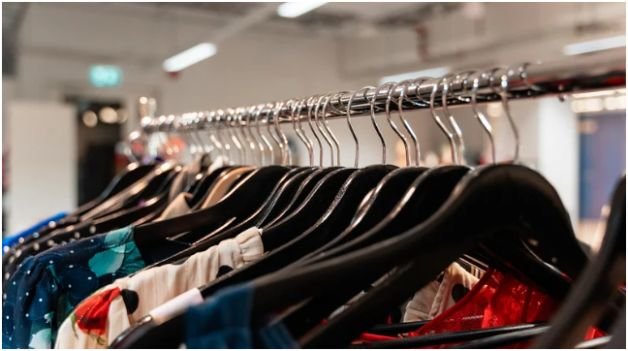
Timing became my biggest advantage.
I stopped buying clothes when I needed them and started buying when prices dropped. Winter jackets in March. Summer clothes in September. It felt odd at first, but the savings made it worth it.
Big sale events became part of my calendar. During events like Black Friday, I stack discounts and get items at prices I would never see otherwise.
Here’s how I now look at it:
| Shopping Time | What I Buy | Why It Works |
| January | Winter wear | Clearance pricing |
| July | Summer apparel | Overstock sales |
| Late November | Everything planned | Deep discounts + offers |
Once you understand this rhythm, you stop chasing deals and start predicting them.
Can Discount Stacking Really Make a Big Difference?
This is where I used to leave money behind without realizing it.
Now, I never check out without stacking at least two savings methods. I search for promo codes, activate cashback, and sometimes even wait for a follow-up discount email.
Platforms like RetailMeNot or Rakuten make this part easy.
The abandoned cart trick changed everything for me. I add items, close the tab, and wait. A day later, I often receive a discount code. That one habit alone saves me more than I expected.
You don’t need to work harder. You just need to pause before buying.
How Does Changing Your Mindset Reduce Overspending?

I stopped asking, “Is this cheap?” and started asking, “Will I wear this often?”
That single question filters out most unnecessary purchases.
I also switched to buying basics from budget-friendly brands instead of paying for logos. Stores like Max Fashion or Reliance Trends offer similar quality without the markup.
Then came the biggest shift: building a capsule wardrobe. Fewer pieces, more combinations. Suddenly, I needed less but had more outfit options.
Is Buying Secondhand or Renting Actually Worth It?
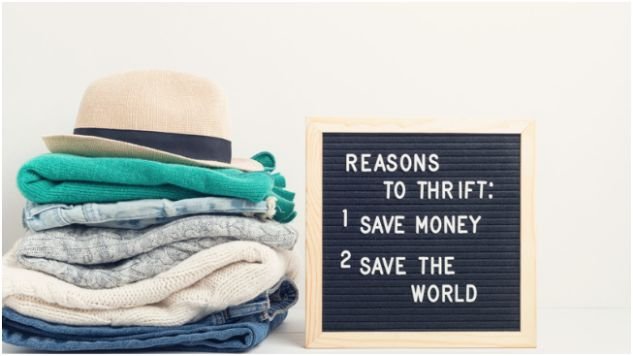
I used to avoid secondhand clothes. Now I see them as one of the smartest ways to shop.
Platforms like eBay offer branded pieces at prices that feel almost unfair.
For special occasions, I stopped buying altogether. Renting outfits from services makes more sense.
Why spend hundreds on something you wear once?
How To Save Money On Clothes Online Step by Step
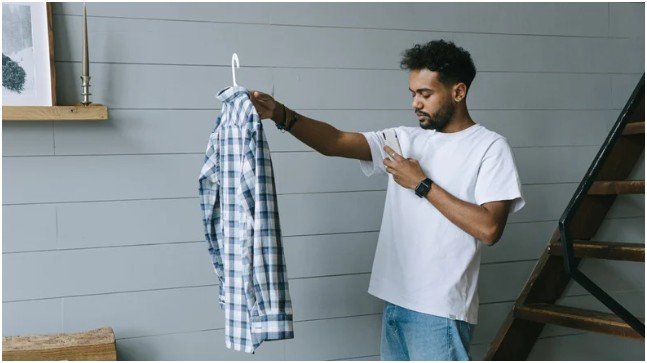
This is the exact routine I follow before buying anything.
First, I pause. I don’t buy immediately. I give myself at least 24 hours to decide if I really want the item.
Then, I check upcoming sales. If a major event is close, I wait. Timing alone can cut prices in half.
Next, I search for coupon codes and activate cashback. This step takes a few minutes but adds real savings.
After that, I calculate the cost per wear. I imagine how often I’ll use the item. If the number feels low, I skip it.
Finally, I leave the item in my cart. If a discount email arrives, I use it. If not, I revisit the decision with a clearer mind.
This process feels simple, but it keeps me from making impulsive choices.
What Are the Small Habits That Make the Biggest Difference?
I didn’t change everything overnight. I built simple mindeset shifts for success that quietly improved my spending.
I stopped browsing shopping apps out of boredom. That alone reduced unnecessary purchases.
I created a wishlist instead of buying instantly. Most items lost their appeal after a few days.
I also focused on quality over quantity. Fewer items, better value. That mindset changed how I see shopping completely.
Saving money stopped feeling like a restriction. It became part of my routine.
Key Takeaways
- Timing purchases around sale cycles saves the most money
- Stacking coupons and cashback multiplies savings
- Cost per wear helps you buy smarter, not cheaper
- Secondhand and rentals reduce unnecessary spending
- Small habits create long-term financial control
FAQs
1. Is it better to wait for sales or use coupons?
I do both. Waiting for sales gives the biggest discount, but adding coupons on top maximizes savings. That combination delivers the best results.
2. Does the abandoned cart trick really work?
Yes, and more often than you expect. Many retailers send follow-up discounts within 24–48 hours. It’s one of the easiest ways to save extra money.
3. Are cheap clothes always a bad investment?
Not always. Cheap clothes work well for basics. But for frequently worn items, I focus on durability and cost per wear instead of price alone.
4. How do I stop impulse buying clothes online?
I delay purchases. Giving myself time reduces emotional decisions. Most impulse buys lose their appeal when I revisit them later.
So… Are You Shopping Smart or Just Shopping More?
I used to think saving money meant sacrificing style. Now I know it’s about control.
Once I learned how to save money on clothes online, I stopped feeling guilty after shopping. I buy with intention, not impulse.
You don’t need to stop shopping. You just need to shop smarter.
And here’s the thing—when your wardrobe starts working for you instead of against you, everything feels lighter, easier, and honestly… a lot more satisfying.
If you follow even half of these habits, you’ll notice the difference quickly. I did—and I never went back.