Choosing clothes that actually hold up has saved me more money than any sale ever did. After wasting too much on items that stretched, faded, or lost shape after a few washes, I started paying closer attention to fabric first. That shift led me to the best fabrics that last longer, and it changed the way I shop, wash, and build a wardrobe that truly lasts.
Why Fabric Quality Matters More Than Trends
A trendy piece can look great for a few weeks, but quality fabric keeps working long after fast fashion loses its charm. That is why I always pay attention to how a material feels, how tightly it is woven, and whether it can handle regular wear without thinning out.
Durability is not only about saving money. It also makes getting dressed easier because dependable clothes stay in shape, feel better on the skin, and look polished for much longer. When fabric lasts, your wardrobe feels more reliable and less stressful.
Another reason this matters is daily comfort. Some materials survive a long time but feel stiff or too heavy for real life. The best choice is always a fabric that balances strength, breathability, softness, and easy care.
What Actually Makes A Fabric Last Longer
Fiber Strength Plays A Big Role
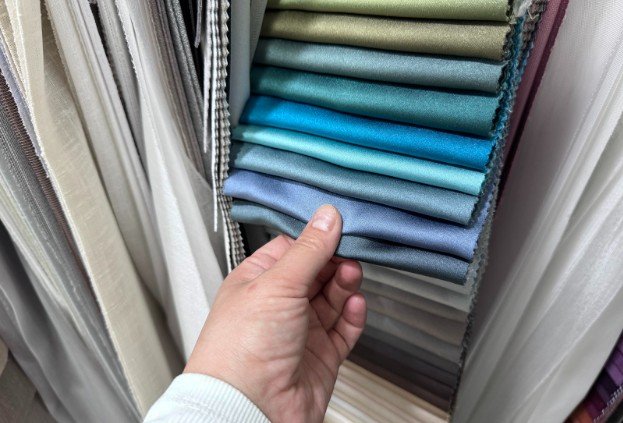
The type of fiber used in a fabric matters from the start. Natural fibers like linen, hemp, and wool are often strong and dependable, while some synthetics like nylon and polyester are known for resisting wear, wrinkles, and stretching.
That said, not all fibers perform the same in every setting. Cotton can be excellent for daily wear, but lightweight cotton may wear out faster than a heavier weave. Wool can last beautifully, but only when cared for properly.
Weave And Fabric Weight Matter Too
One thing I learned quickly is that fabric type alone does not tell the full story. The weave also changes how durable something feels. Twill, canvas, and ripstop usually hold up better than loose or delicate constructions because they are built to handle friction and movement.
Heavier fabrics also tend to last longer than thin, flimsy ones. That does not mean every thick fabric is better, but weight often signals stronger construction. A well-made medium or heavy fabric usually handles repeated washing and wearing much better.
Care Habits Can Extend Lifespan
Even strong fabric can wear out early if it is washed carelessly. Hot water, harsh laundry detergents, overloaded machines, and high heat drying can break down fibers much faster than most people realize.
I have made my clothes last longer simply by washing less aggressively. Cold water, lower heat, and following the care label make a real difference. Good fabric deserves good treatment.
Which Fabrics Give The Best Long-Term Value
Linen And Hemp For Natural Strength
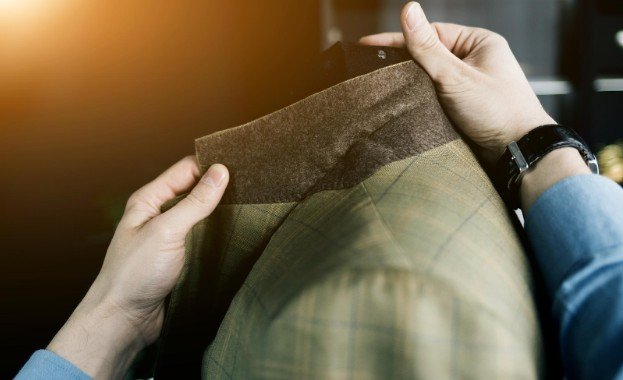
Linen has become one of my favorite materials because it stays breathable, strong, and timeless. It softens with use instead of falling apart, which makes it feel even better over time. Hemp is similar and often even tougher, making it a great pick for long-term wear.
Wool For Lasting Structure And Warmth
Wool is one of the smartest investments for cooler seasons. A good wool sweater, coat, or blazer can last for years because the fiber is naturally resilient and holds shape well. What I like most about wool is that it often looks refined even after repeated use. It resists odor better than many fabrics and can maintain its structure when stored and cleaned correctly.
Nylon And Polyester Blends For Heavy Use
For activewear, outerwear, and daily basics, nylon and polyester blends can be very practical. These materials usually resist shrinking, wrinkling, and abrasion better than many delicate natural fabrics.
I do not buy them blindly, though. Some synthetic pieces feel cheap because the blend or construction is poor. But when the quality is right, these fabrics can handle frequent washing and everyday movement better than expected.
How I Shop For Best Fabrics That Last Longer
I no longer shop based on color or style alone. I start by reading the label and checking what the garment is actually made of. That one habit has helped me avoid weak materials and choose pieces that stay useful much longer.
Then I look at the texture and structure. If the fabric feels paper-thin, overly stretchy, or loosely woven, I usually skip it. I also check stitching, seams, and whether the fabric snaps back into shape after I touch it.
Another thing I watch is blend percentage. Some blends are excellent because they combine comfort with durability. Cotton with a little polyester, or wool with supportive fibers, can be a smart middle ground when I want both softness and strength.
How To Choose Durable Fabric Without Overpaying
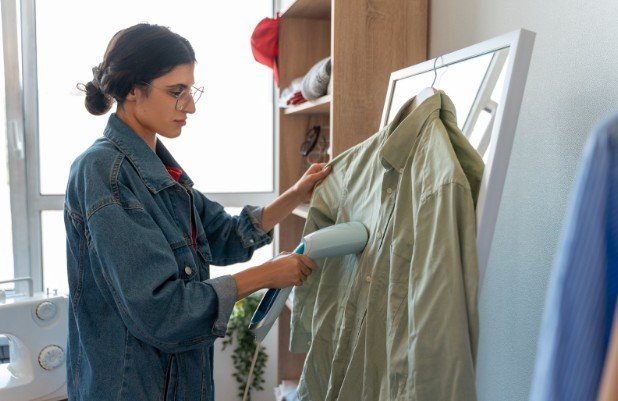
Start by thinking about how you will use the item. Everyday tees, work pants, coats, and bedding all need different levels of durability. Once I began shopping by use instead of impulse, I made much better choices.
Next, compare the fabric weight and feel across similar products. If one piece feels noticeably stronger, smoother, and better finished, that usually tells you something important. You do not always need the most expensive option, but you do need one that feels intentionally made.
Finally, check the care instructions before buying. If a basic item needs constant special treatment, I think twice. A long-lasting fabric should fit real life, not create extra work every week.
Common Fabric Mistakes That Shorten Clothing Life
One mistake is assuming soft always means high quality. Some fabrics feel nice in the store but break down quickly because they are too thin or weak for repeated wear. I have learned to test softness alongside structure.
Another mistake is ignoring weave and finish. People often compare fiber names only, but construction matters just as much. A strong weave can outlast a weaker one even if the fiber sounds less luxurious.
The third mistake is poor laundry habits. Too much heat, too much washing, and rough handling can ruin even good clothing. Long-lasting fabric choices only pay off when daily care supports them.
Frequently Asked Questions
1. What are the best fabrics that last longer for daily wear?
Linen, hemp, wool, nylon, polyester blends, and tightly woven cotton are all strong options. The best choice depends on whether you want breathability, warmth, stretch, or easy maintenance.
2. Does cotton last as long as synthetic fabric?
It can, especially when it is heavyweight and tightly woven. Thin cotton usually wears out faster, while better-quality cotton can stay strong for years with proper care.
3. How can I tell if a fabric is durable before buying?
Check the label, feel the weight, inspect the weave, and look at the stitching. Durable fabric usually feels structured, not flimsy, and returns to shape easily.
4. Do expensive clothes always use better fabric?
Not always. Price can reflect branding or design more than construction. I have found that reading labels and checking quality details matters more than price alone.
The Lasting Choice That Pays Off
I have learned that buying fewer, better pieces always works out better than replacing cheap clothes again and again. Once I started paying attention to fiber, weave, and care needs, my wardrobe became much more dependable. Good fabric is not just about fashion. It is about comfort, value, and making every purchase feel smarter for the long run.