The moment my home started doing things for me instead of the other way around, I knew I had upgraded the right way. That shift happened when I finally chose the best electronics for home—not just gadgets, but tools that actually made daily life smoother.
The difference isn’t just convenience. It’s walking into a space that responds to you, saves your time, and quietly handles the little things you used to think were normal. In 2026, smart living isn’t about filling your home with gadgets—it’s about picking the few that actually make everyday life smoother.
In this guide, I’m sharing the exact electronics that delivered real results for me, along with the top-performing devices that are worth your money right now.
What Are the Best Electronics for Home in 2026?
After testing and researching, I’ve noticed that the best electronics for home always fall into a few key categories: smart control, security, entertainment, kitchen efficiency, and cleaning automation.
The biggest shift in 2026 is how everything connects. Devices now integrate seamlessly with Alexa, Google Assistant, and Apple Home, making your home feel like one unified system instead of separate gadgets.
What matters most is not just features, but how effortlessly everything works together in your daily routine.
Central Smart Home & Security Devices You Should Start With
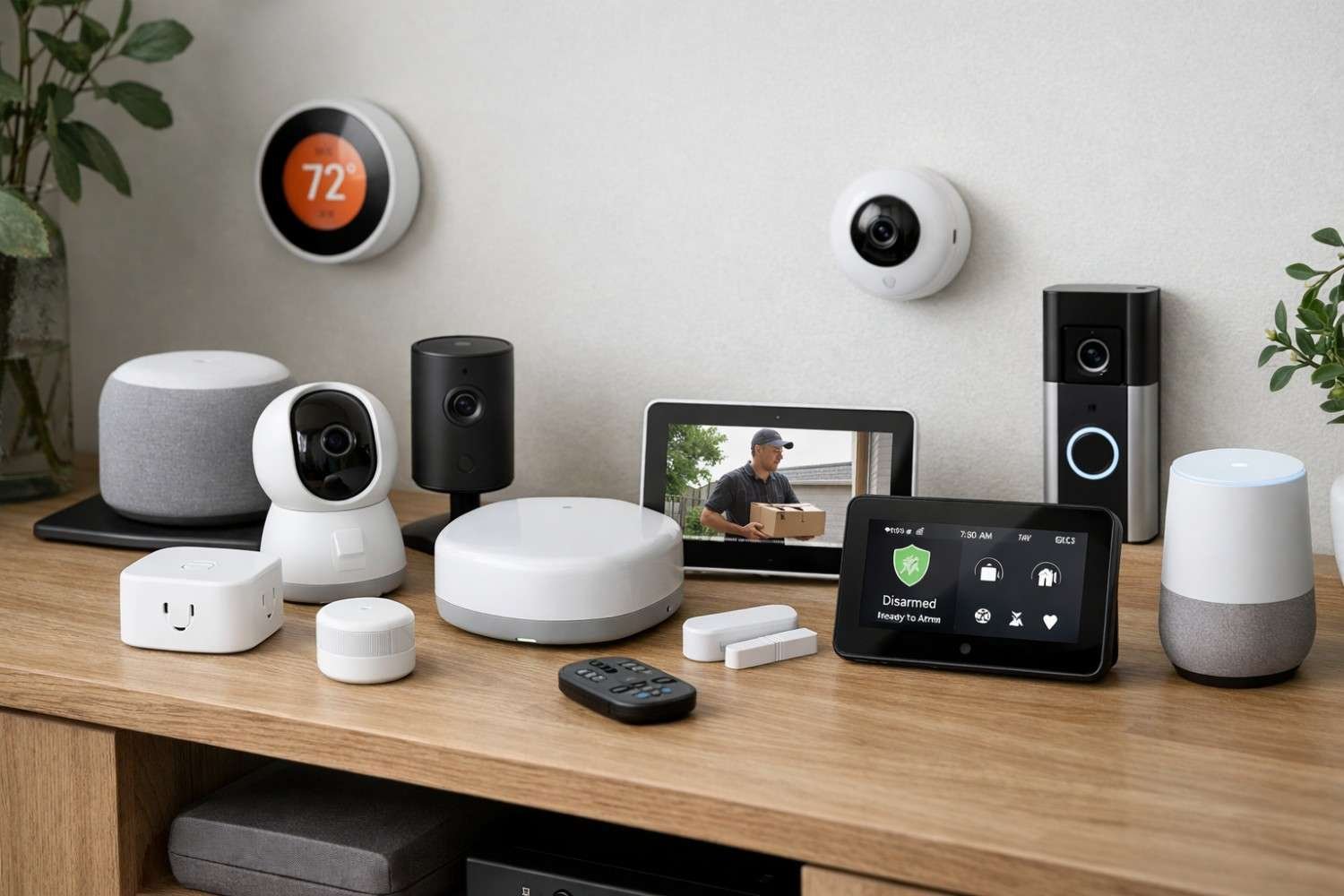
When I built my setup, I started with a central hub—and that made everything easier.
The Amazon Echo Dot (5th Gen) is still one of the best entry-level smart speakers. It offers clear sound, plus built-in temperature and motion sensors that add extra functionality beyond voice control.
If you want premium audio, the Amazon Echo Studio (2025) takes things further with immersive spatial sound, making it perfect for larger living spaces.
For visual control, the Amazon Echo Show 8 (2nd Gen) is incredibly useful in kitchens or living rooms. I often use it to check security cameras or follow recipes hands-free.
On the security side, the Aqara Camera Hub G5 Pro stands out because it doubles as a Matter-compatible hub. For indoor monitoring, the Tapo C220 2K Camera offers smart AI detection for people and pets, which adds real peace of mind.
These devices form the foundation of a connected home.
How Can You Upgrade Your Home Entertainment Experience?
Entertainment is where I noticed one of the biggest upgrades in comfort.
The Sony Bravia Theatre Quad delivers a premium surround experience using 360 Spatial Sound Mapping. It creates a full “bubble of sound” without needing complex wiring.
If you want something more accessible, the Samsung HW-Q990F soundbar is one of the best value options. Its 11.1.4-channel system produces cinematic audio and integrates smoothly with the SmartThings ecosystem.
For a budget-friendly option, the Hisense AX5125H provides surprisingly strong Dolby Atmos performance at a lower price point.
Upgrading your audio setup like this doesn’t just improve movie nights—it completely changes how your living room feels.
Which Kitchen Electronics Actually Save Time Daily?
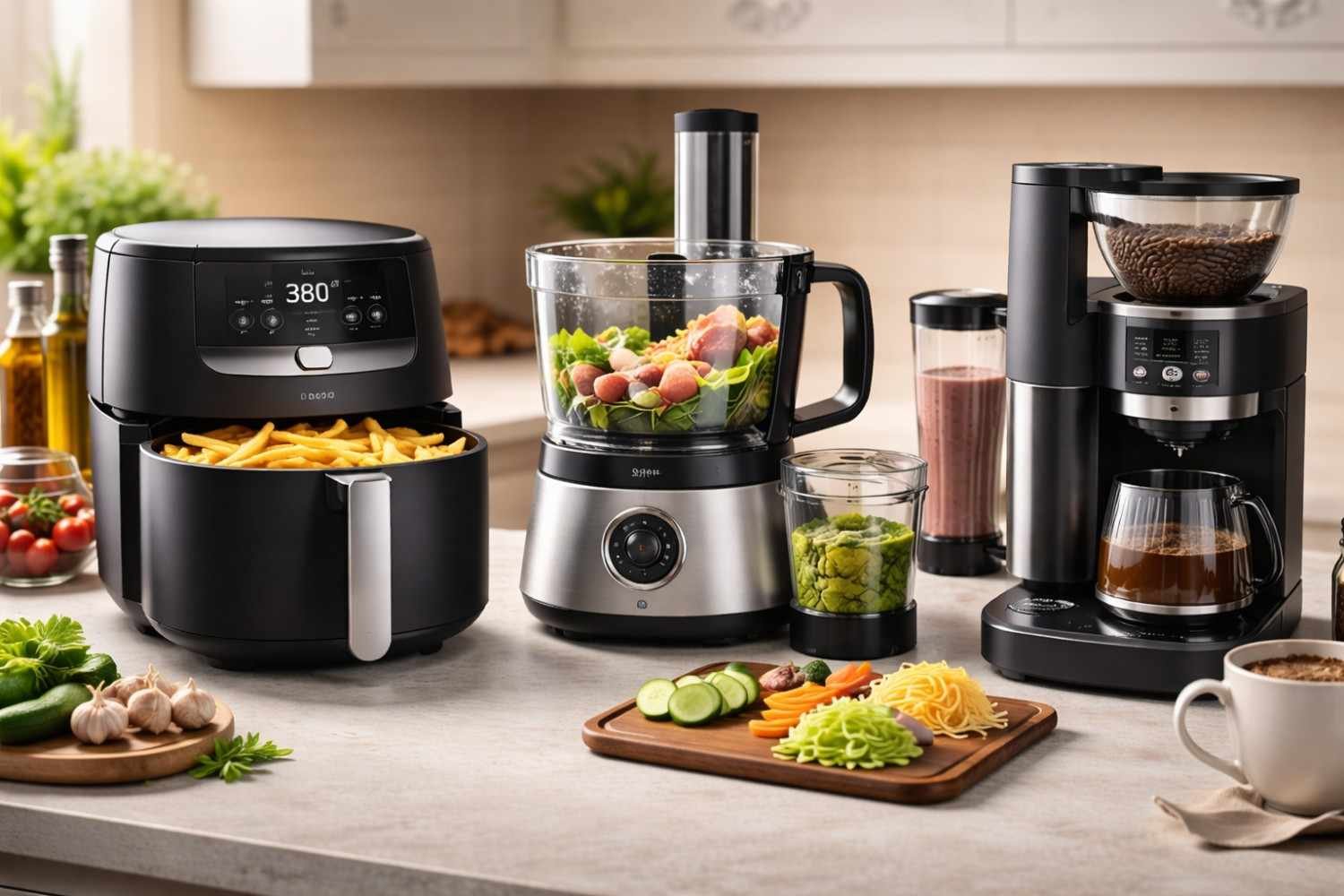
The kitchen is where smart electronics truly pay off.
The Nutricook Essential Air Fryer (2026) is one of my favorite upgrades because it supports healthier cooking with a toxin-free ceramic coating. The built-in viewing window makes it easier to monitor food without interrupting the process.
For meal prep, the Inalsa Easy Prep Food Processor handles chopping, slicing, and kneading efficiently, making it ideal for busy households.
And for mornings, the xBloom Studio Smart Coffee Maker automates grinding and brewing with precision. It’s one of those devices that quickly becomes part of your daily routine.
These tools don’t just add convenience—they save real time every single day.
What Are the Best Cleaning and Energy-Saving Devices?
This is where smart technology really starts to feel essential.
The Ecovacs Deebot X8 Pro Omni is one of the most advanced robot vacuums available. It includes a self-emptying system and a mop that refreshes itself during cleaning, which means less manual work.
For energy efficiency, the Ecobee Smart Thermostat Premium is a standout. It uses remote sensors to balance temperature across rooms and helps reduce energy costs over time.
In my experience, these devices deliver the most noticeable long-term value because they automate tasks you would otherwise repeat daily.
How I Chose the Best Electronics for My Home Setup
One mistake I made early on was buying devices without checking compatibility. That led to unnecessary frustration.
Now, I always focus on three things. First is ecosystem compatibility. I stick to devices that work well together through Alexa or Google Assistant.
Second is ease of use. If a device is complicated, it quickly becomes unused. I prefer simple apps and reliable performance.
Third is long-term value. I prioritize electronics that solve real problems like saving time, improving comfort, or reducing energy bills.
This approach helped me build a setup that feels seamless instead of cluttered.
Are Budget-Friendly Home Electronics Worth It?
Yes, and I learned this the hard way.
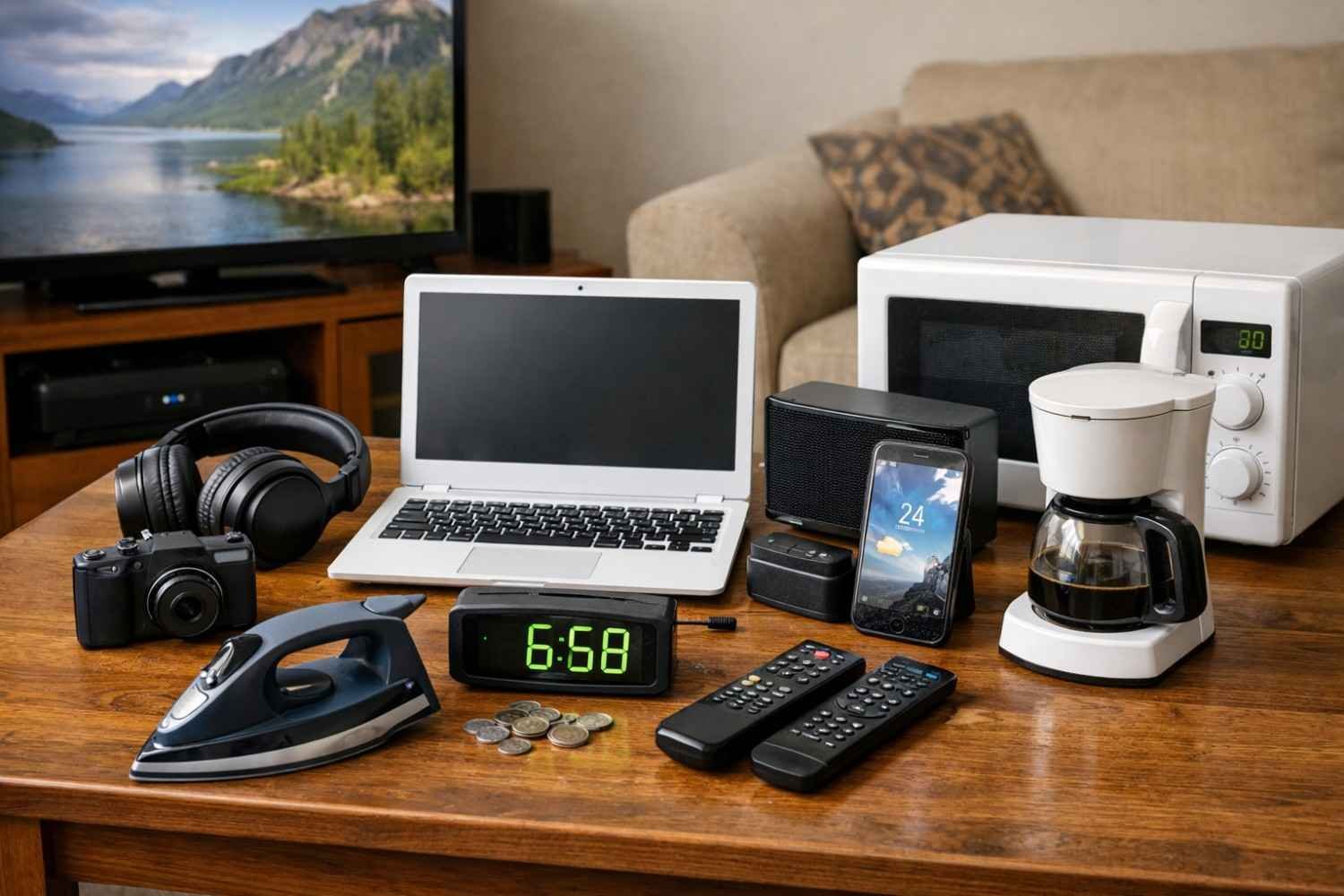
You don’t need to invest in premium devices right away. Starting with affordable options like smart plugs, entry-level speakers, or budget soundbars can still deliver a great experience.
The key is to upgrade gradually. Focus on what you use daily, then improve those areas over time.
This strategy keeps costs under control while still letting you enjoy the benefits of a smarter home.
FAQs About Best Electronics for Home
1. What are the best electronics for home for beginners?
Start with a smart speaker like Echo Dot, then add smart plugs and lighting. These provide the easiest entry into a smart home setup.
2. Do smart home devices really save energy?
Yes, devices like smart thermostats and lighting systems help reduce unnecessary energy usage and lower utility bills.
3. Are these electronics compatible with all smart systems?
Most modern devices support Alexa, Google Assistant, or Apple Home, but always check compatibility before buying.
4. Which device should I upgrade first?
I always recommend starting with a smart speaker or thermostat since they offer the most immediate impact.