
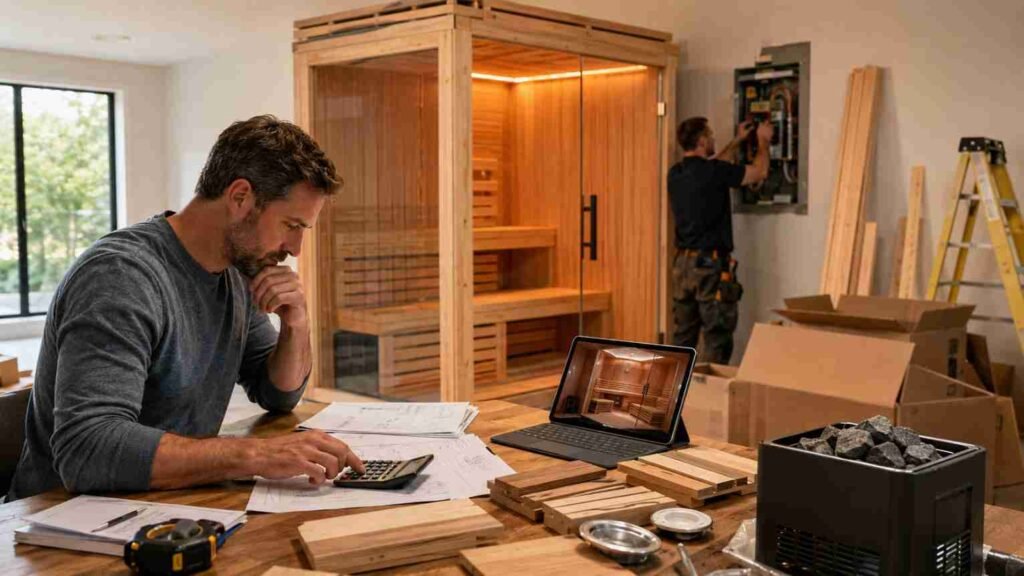
Constructing a personal sanctuary for relaxation requires careful financial planning and clear spatial preparation. Many homeowners seek to elevate domestic wellness through private thermal installations, yet initial estimates frequently overlook essential infrastructure demands.
However, apart from the stated retail costs for the modular kits, the additional costs come fast owing to skilled labor, power system changes, and preparation of the location. Knowing all the underlying costs enables property owners to make better decisions without having any financial shocks. The analysis of the timber choice, heat system, and skills of the trades makes it easier to understand the full commitment required.
Understanding Base Package Pricing For Residential Builds
Selecting prefabricated hardware packages represents the foundation of most home projects, where basic unit pricing typically ranges from fifteen hundred dollars to seven thousand dollars based on dimensions and craftsmanship. Standard packages provide pre-cut timber walls, basic seating, and heating units designed for straightforward assembly.
Investing in sauna kits indoor offers homeowners an accessible path toward integrated thermal efficiency, using prefabricated panels in combination with well-established design schemes.
Nonetheless, costs of base units differ greatly from one another depending on the materials used to construct the building, which may be inexpensive pine wood, relatively expensive hemlock, or costly western red cedar. Buyers must carefully evaluate what components are packaged inside off-the-shelf offerings, as lower retail figures often exclude specialized floor panels, decorative exterior finishes, or upgraded digital controls.
Primary Hardware Elements That Shape Initial Equipment Expenses
- Premium cedar wall paneling provides natural moisture resistance along with pleasant ambient aroma.
- Heavy-duty tempered glass doors preserve thermal heat while maintaining an open modern visual aesthetic.
- Built-in ergonomic timber benches maximize seating comfort during extended high-temperature heating sessions.
- Integrated digital control panels allow users to customize heat levels and operating timers easily.
Hidden Expenses That Frequently Increase Total Installation Budgets
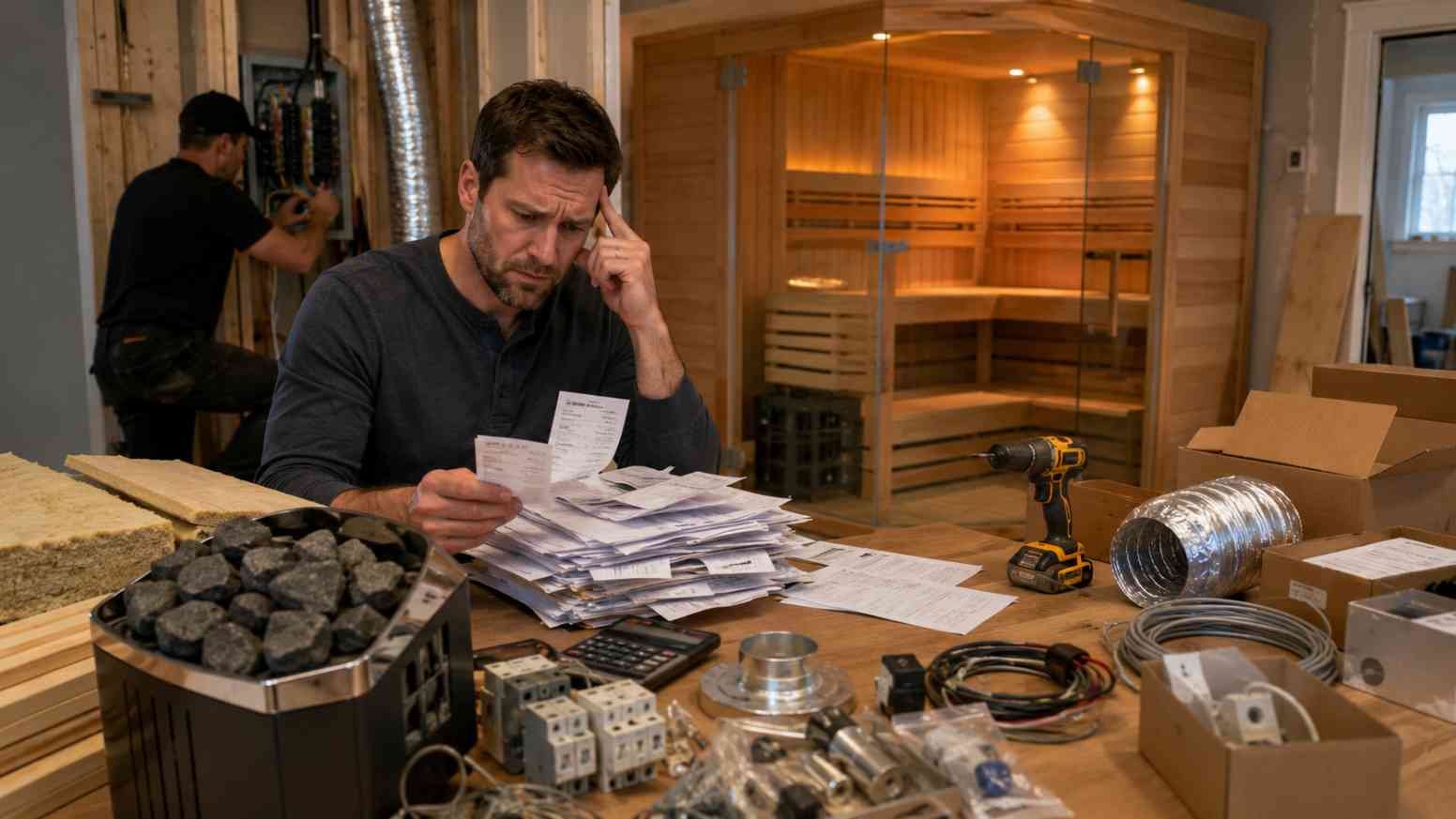
- Hiring licensed electricians for dedicated high-voltage panel upgrades adds significant unexpected labor costs.
- Custom wooden floor drainage systems prevent excess water accumulation during high steam usage periods.
- Shipping fees for bulky lumber shipments can quietly elevate overall total hardware procurement expenses.
- Building permits and local safety inspections require mandatory processing fees before active assembly.
For projects involving broader structural improvements, exploring the waterproofing roof methods for home can also help prevent moisture damage and unexpected repair expenses that may affect the overall renovation budget.
Structural Modifications, Ventilation Needs, and Insulation Requirements
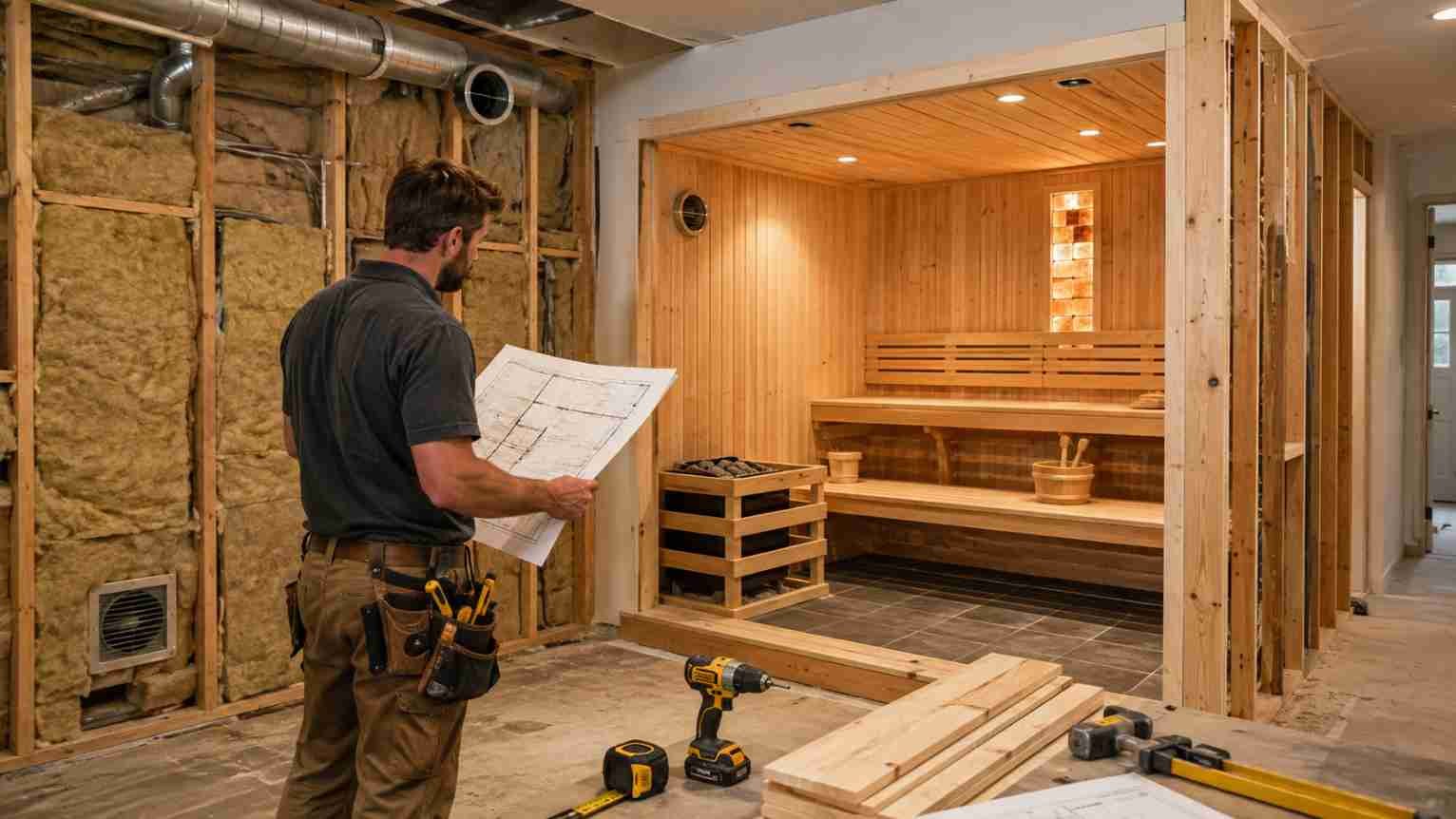
If an installation occurs on unlevel concrete or carpeting, constructing a level, moisture-resistant subfloor creates additional material costs. Paying attention to structural readiness guarantees long-term durability while protecting neighboring home structures from excess humidity.
Residential Installation Cost Benchmark Statistics
| Investment Category | Average Estimated Price Range | Primary Price Factors |
| Prefabricated Hardware Packages | $1,500 to $7,000 | Dimensions, timber species, heater type |
| Electrical Circuit Wiring | $300 to $800 | Distance from panel, breaker amperage |
| Main Electrical Panel Upgrade | $1,000 to $2,500 | Existing home capacity, local electrical codes |
| Ventilation and Site Preparation | $200 to $1,000 | Air ducting, floor leveling, moisture barriers |
| Skilled Labor and Assembly | $500 to $2,000 | Installation complexity, regional trade rates |
| Annual Electrical Power Operations | $150 to $360 | Usage frequency, local utility tariff rates |
Ongoing Operating Expenditures And Routine Maintenance Demands
- Monthly electrical consumption adds modest energy charges depending on overall heating frequency and wattage.
- Periodic stone replacement ensures optimal thermal performance inside traditional heater rock tray assemblies.
- Non-toxic wood cleaners maintain interior hygiene without compromising ambient timber surface finishes over time.
Smart Investment Path
Building a domestic wellness space requires clear economic foresight and precise resource allocation. While baseline equipment pricing provides a helpful starting point, accounting for electrical infrastructure, site readiness, and ongoing energy usage ensures a smooth installation journey.
Choosing reliable sauna kits indoor Homeowners can achieve a great balance between the convenience of structure and the longevity of value by obtaining skilled tradesmen for electrical connections and using strong timber material.
This way, the creators of the properties will not only preserve their valuable property but create a pleasant daily retreat for themselves. The proper preparation before the project starts makes it possible to transform any complicated process of home renovation into profitable health improvement.
Frequently Asked Questions
1. What is the average cost of installation of the home sauna?
The cost of installation varies from three thousand dollars to ten thousand dollars and includes the cost of installation, basic equipment, electrical wiring, and preparation of the room itself.
2. Is a home sauna connected to a dedicated electrical circuit?
Yes, traditional heaters and multi-person infrared saunas require a separate electrical circuit of two hundred forty volts to ensure proper operation.
3. How much does it cost to use a home sauna monthly?
The operating cost ranges from ten dollars to thirty dollars monthly.