
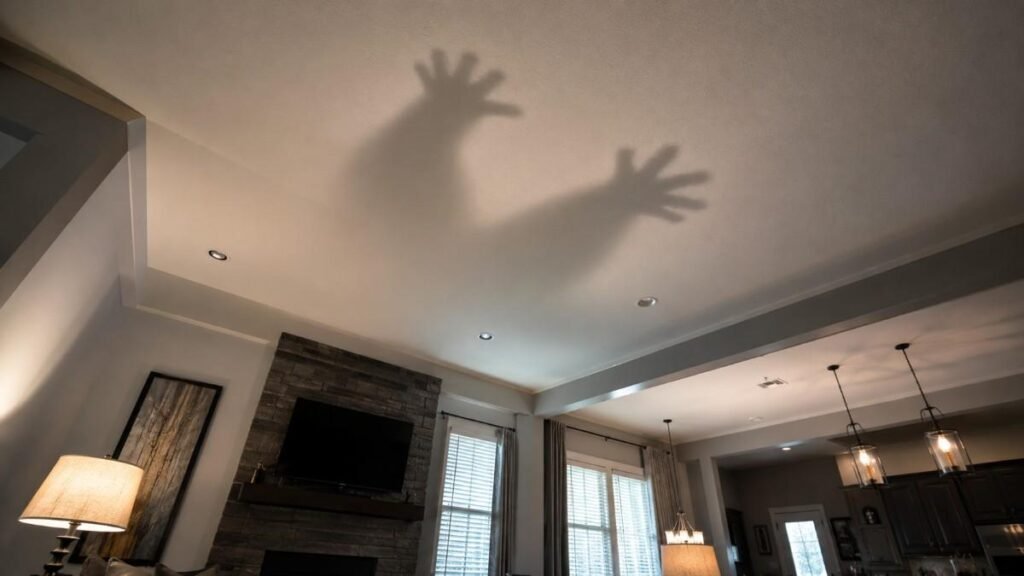
Every year, many homeowners become startled by the noise arising from their attics. Attics, being very secure, insulated, and isolated, therefore provide the best place for an animal to hide away or raise its young ones. Although the presence of these animals in your house might not pose an immediate threat to your life, it is certain that they will cause damage to your property as well as jeopardize the safety of your family members.
To resolve this issue, it is necessary that you understand the first indications of such an animal invasion. If you ignore the issue, what seems to be an insignificant problem at first can quickly turn into a major structural issue that threatens your roofing and wiring system. This is why it becomes necessary for you to contact the San Antonio tx critter control professional to ensure that your property remains safe from these animals.
Identifying the Clues: Common Signs of Attic Intruders
Due to the natural behavior of wild animals to shy away from humans, you will find it difficult to encounter one. You have to look for signs that are present in your surroundings. Early detection of these specific signs ensures that there will not be any severe structural damage to your home. These signs include:
- Hearing Indications: Rapid movement, pounding sounds, and continuous scratching sounds coming from inside your walls.
- Physical Signs: Animal droppings constitute the physical sign of an infestation.
- Visual Signs: Fiberglass insulation torn up, heating/ventilation air duct damage, and chewed wooden beams.
- Structural Entry Points: Damaged roof shingles along the roofline, torn-off soffits, and openings on roofs.
Deciphering the Sounds: Who Is Making That Noise?
The sounds reverberating from the ceiling will help determine which specific animal is living in your house without having to open the attic door. In order to identify each one of these intruders, one must listen carefully to their sounds and the particular time of day when they are heard the most:
- Late Night Stomping (Raccoons): Loud and systematic stomping, along with a few grunts or chatters around 2:00 am, is a sign of raccoons. These are big animals and nocturnal animals.
- Morning and Evening Scampering (Squirrels): Squeaking and scampering during morning and evening times are signs of squirrels, which are diurnal animals.
- Scratching and Gnawing (Rodents): Scratching and gnawing noises coming out of the wall cavities at night time are made by mice or rats.
- Squeaking and Flapping (Bats/Birds): Squeaking and flapping wings are sounds produced by either bats (evening active) or birds (morning active).
Reading the Evidence: Wildlife Behavior and Waste
The most definitive way to confirm a specific pest’s identity is by examining waste accumulation and tracking patterns left in dust.
| Animal Type | Dropping Characteristics | Footprint Details | Typical Nesting Materials |
| Raccoons | Large, dark, dog-sized piles in latrines. | Five-toed prints resembling tiny human hands. | Torn insulation, clothing, cardboard boxes. |
| Squirrels | Smooth, barrel-shaped, rice-sized pellets. | Small four-toed front, five-toed hind tracks. | Twigs, leaves, shredded paper insulation. |
| Mice & Rats | Tiny, dark, spindle-shaped pointed pellets. | Faint tracks showing tail-drag lines. | Tunnels in fiberglass, chewed fabrics. |
| Bats | Small guano pellets crumble into powder. | Rare footprints; dark body-oil wall stains. | No true nests; they cling to rafters. |
The True Cost of Hidden Neighbors: Risks of Attic Pests
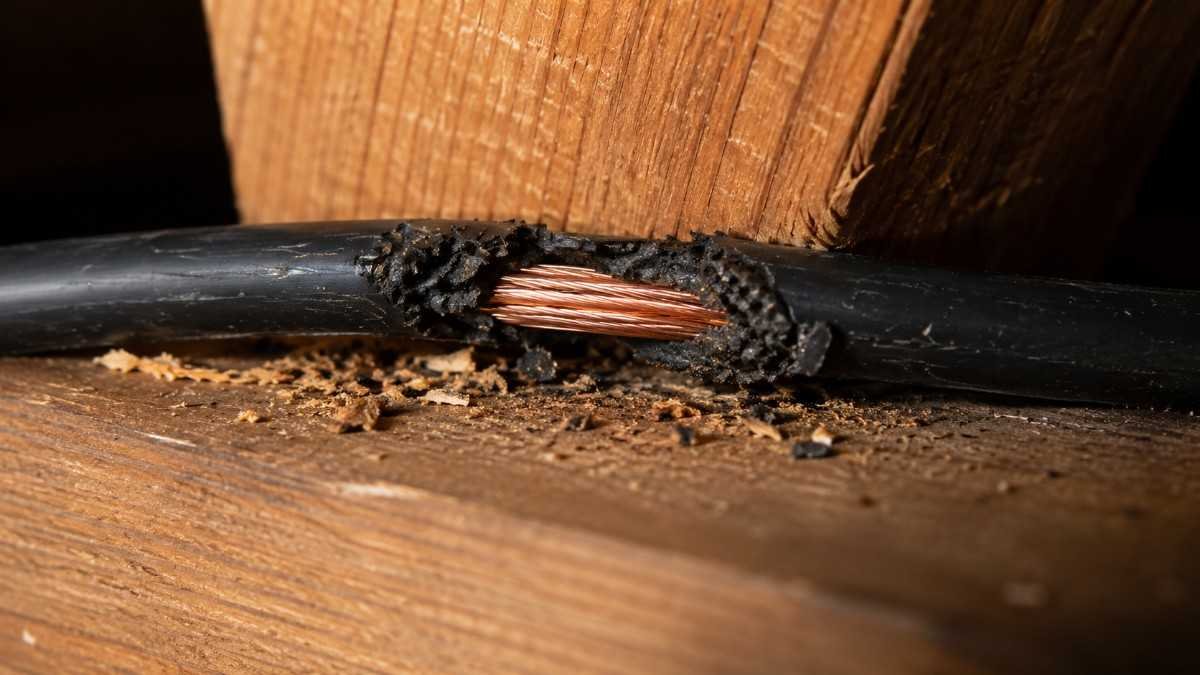
Permitting animals to inhabit your house’s upper crawlspace involves a number of biological and physical risks. Rodents and squirrels have continuously growing incisors, and thus they continually have to chew hard objects to trim their teeth. Wood supports, PVC water pipes, and even live electrical wiring form the targets of these chewing activities. Copper wires that are found hidden under your attic’s insulation are a major and often overlooked cause of domestic fires.
In addition to the physical dangers that accompany such activity, wild animal fecal contamination poses considerable risks to one’s health. Accumulations of bat fecal matter and raccoon feces are often sources of highly hazardous spores and pathogens such as histoplasmosis and roundworms. These spores can be transported through the HVAC system to other parts of the house.
Step-by-Step Guide to Humane Wildlife Removal
Today’s wildlife management efforts involve sophisticated techniques of exclusion rather than damaging extermination. The first step should be inducing the animal to leave the property without returning there ever again.
Important Fact: Do check any rules and regulations before starting to apply the exclusion procedure or process of backyard landscaping, as some creatures have nesting periods that are protected by law.
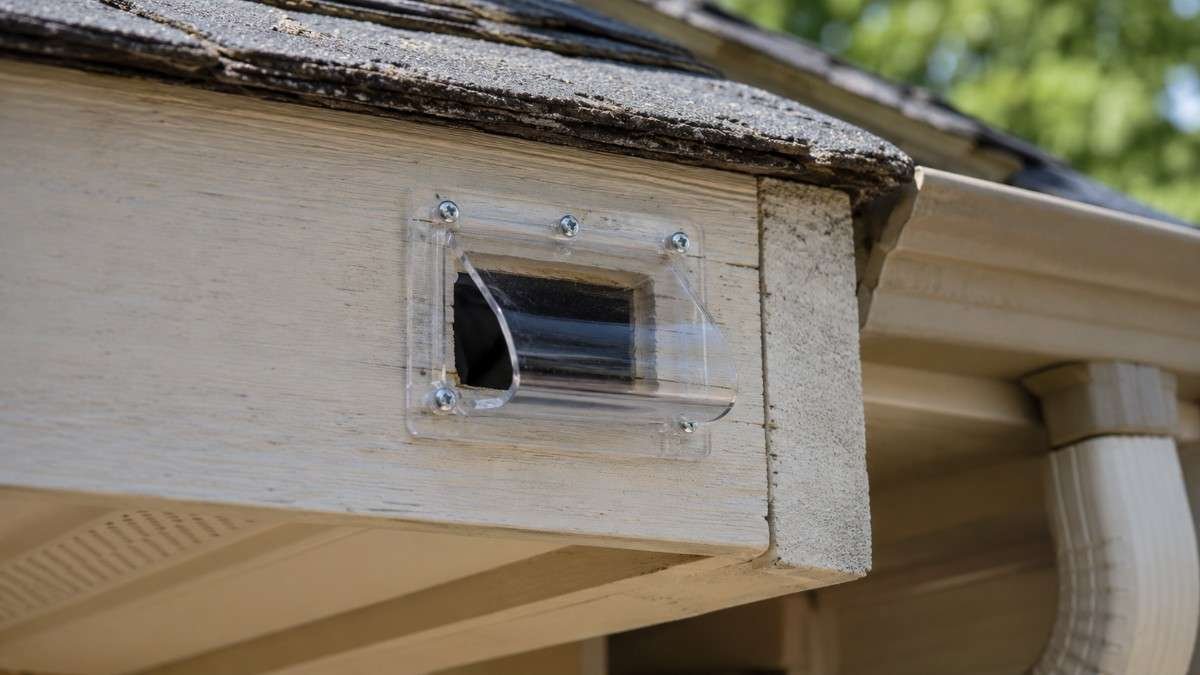
- Step 1: Carry out the External Inspection: Look for openings on your roof line, chimney cap, fascia boards, and vents using binoculars.
- Step 2: Use Non-Harming Deterrents: Disturb their rest and comfort using the LED lights that will work round the clock and talk radio. Use green home cleaning products only.
- Step 3: Create One-Way Exclusion Doors: Install one-way exclusion doors over their primary entry point, which enables them to come out but not to enter.
- Step 4: Check the Activity Before Sealing: Block openings partially with newspapers. If not disturbed for three days, seal the opening forever.
Final Thoughts
Identifying signs of attic wildlife quickly prevents potential serious damage and high repair expenses to the structure of your home. Through thorough assessment of any sounds, excrement, or openings, you can be sure that you choose a humane method to protect the structural integrity of your house while ensuring the safety of your family.
If the infestation requires expert handling, partnering with a dependable San Antonio tx critter control ensures a seamless, professional resolution to your wildlife issues.